 Español
 English GB
 Русский

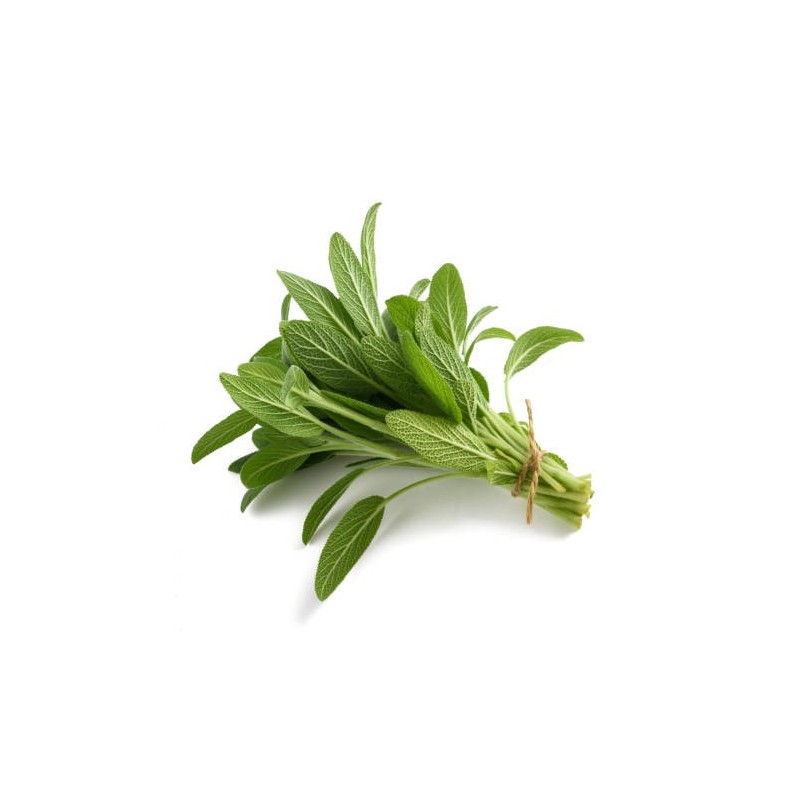


This is an aromatic and medicinal plant known for its therapeutic properties and its use in cooking. It belongs to the Lamiaceae family and is native to the Mediterranean region. This plant has greyish-green leaves and violet or blue flowers. It has been used since ancient times for its health benefits, as it is credited with anti-inflammatory, antioxidant, digestive and antiseptic properties. At Productos Altur we present it in bunches, freshly picked from the plantation.
 Security policy
Use of the Website implies acceptance of this Privacy Policy and its conditions.
 Delivery policy
Altur Products will not send any order or activate any services without verification.
 Return policy
The customer will verify the seals before opening their shipment, once opened, returns are not acc..
- Preparation**: Place one teaspoon of dried sage leaves (or two teaspoons of fresh leaves) in a cup of hot water. Let it sit for 5 to 10 minutes, then strain.
- Uses**: Helps with digestive issues, reduces gas, and soothes sore throats. May be helpful in balancing hormones in women during menopause.
- Dosage**: Drink one to two cups daily. Over-indulgence is not recommended, as sage in large quantities can be toxic.
- Preparation: Steep fresh or dried leaves in alcohol (preferably food-grade ethanol) for several weeks. It is then strained and stored in a dark jar.
- Uses: Applied externally to clean wounds, reduce inflammation, or as a mouthwash to combat gum infections. It can also be taken diluted for digestive and hormonal support.
- Dosage: 10 to 20 drops diluted in water, once or twice a day, as needed. It is important not to overdo it.
- Preparation: It is obtained by steam distillation of the leaves and is very concentrated.
- Uses: For aromatherapy, as it has calming and revitalizing effects. It can also be applied topically (diluted) for skin problems, muscle aches, and as a natural insect repellent.
- Caution: It should not be ingested and should always be diluted with a carrier oil (such as almond oil) before applying to the skin.
- Preparation: Make a concentrated sage infusion and soak a clean cloth in the hot (but not boiling) liquid.
- Uses: To treat inflammation, muscle and joint pain, as well as to relieve menstrual discomfort by applying it to the abdomen.
- Dosage: Apply the compress for 10-15 minutes and repeat as needed.
- Preparation: A concentrated infusion (2-3 tablespoons of sage per cup of hot water), which is allowed to cool.
- Uses: Very effective for throat infections, hoarseness, and mouth problems such as gingivitis.
- Dosage: Gargle several times a day without swallowing the preparation.
- Preparation: Grind the dried leaves until you obtain a fine powder.
- Uses: It can be added to meals to take advantage of its digestive benefits or in small quantities for more concentrated infusions.
- Dosage: Do not exceed a pinch in daily preparations, as the powder is more concentrated.
- Uses: Fresh sage leaves are widely used in cooking to enhance the flavor of various dishes. Its culinary use also allows you to obtain its digestive benefits in small quantities.
- Dosage: It is recommended to add 1-2 fresh leaves to meat dishes, soups, or stews. Each form and preparation has specific benefits, so choosing the right one depends on the purpose of use.

Specific References

Discover the fresh and aromatic flavour of carefully grown dill in bunches! Our fresh dill bunches are perfect for adding a special touch to your dishes. Ideal for salads, fish and sauces, dill adds a unique aroma and flavour that will delight your palate. Straight from the garden to your kitchen, we guarantee quality and freshness in every bunch. Order now and enjoy the best quality fresh dill delivered to your doorstep!

The Spicy Chili Pepper we offer is a high-quality condiment that adds a touch of spiciness to your favorite dishes. With its intense and authentic flavor, this spicy chili pepper is the perfect complement to give a special touch to your meals. Discover the authentic taste of the passion for spicy food with La Guindilla Picante from Productos Altur!

We pride ourselves on providing avocados grown on the best lands, ensuring that each fruit is not only delicious, but also nutritious.

An exotic and highly nutritious fruit that stands out for its sweet, juicy flavor and its multiple health benefits. Productos Altur's yellow pitaya is produced locally under strict quality controls, ensuring freshness and sustainability in each unit.

At Productos Altur we bring to your table the exquisite mango from Spain, harvested with care in the best farms in the south of the country. Our mango stands out for its freshness and intense flavour, the result of a sustainable cultivation process and harvesting at the right moment of ripeness.

At Productos Altur we are dedicated to offering you fresh, premium quality guavas that are carefully cultivated. Each guava is hand-selected, taking care of every detail to ensure that it reaches you at its perfect point of ripeness. We offer you flavor, freshness and all the nutritional benefits of this exceptional fruit.

At Productos Altur we pride ourselves on offering garlic of the highest quality, carefully selected to bring a natural, fresh and intensely flavored product to your table. Our garlic not only stands out for its exceptional flavor, but also for its penetrating aroma and its health benefits.

Fresh, high-quality Shiitake mushrooms. Rich in nutrients and umami flavour, ideal for soups, stir-fries and stews. Organically grown. Available in 200g packs. Take advantage and add a gourmet touch to your dishes!

Discover the authentic taste of tradition! Niskalos, delicious forest fruits, are now within your reach, directly from the fields of Aragon and Castilla-La Mancha. Sustainably grown, these little treasures of nature are perfect to enjoy alone, in desserts or as sole ingredients in your favorite recipes. Find them at our local markets or buy online with home delivery, so you can enjoy their freshness wherever you are. Take advantage of our special offers and take home a natural product of exceptional quality! Freshness guaranteed. Aragonese and Manchegan tradition in every bite.

A premium fruit of select origin that stands out for its sweet flavor and soft, juicy texture. Grown using natural techniques, this date is a natural source of energy, ideal for consumption at any time of the day as a healthy snack or in gourmet recipes.

Freshly harvested rosemary from our carefully selected bunches. Perfect for adding a touch of Mediterranean flavour to your favourite dishes or for enjoying its aromatic and therapeutic properties.

The chanterelle mushroom, also known as the chanterelle, is an edible mushroom highly appreciated for its flavour and aroma. Its scientific name is Cantharellus cibarius. This mushroom is distinguished by its yellow or orange colour, its funnel shape and its wavy margin. The underside of the cap has wrinkles or folds that resemble sheets. It grows in coniferous and deciduous forests, especially in acidic soils, and is found from late spring to autumn. The chanterelle is known for its delicate, slightly fruity flavour, as well as its fragrance reminiscent of apricots.


We offer high-quality fresh basil in bunches. Our basil is grown in ideal conditions to ensure an intense flavour and aroma, perfect for enhancing your favourite dishes.

Fresh cilantro, grown and harvested in an artisanal way. Our focus is on offering high quality, fresh and natural products, respecting traditional methods that guarantee the best experience for our customers.

Altur Products offers the spicy Red Habanero, available both online and in street markets. This chili is known for its intense flavor and high spiciness, ideal for lovers of strong flavors in sauces and dishes.


**Discover the Taste of Nature**
At Altur Products, we are committed to offering you the best of the land. Our black truffle, grown in the fertile regions of Spain, is a culinary treasure that will take your dishes to another level.